Vitiforst Hochschule Geisenheim University
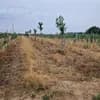
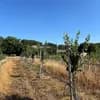
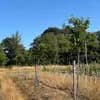
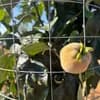
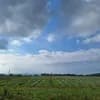
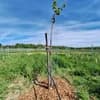
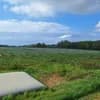
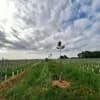
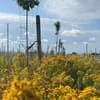
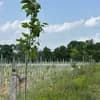
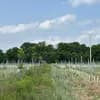
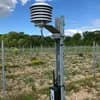
To address the research questions, a vitiforst experimental site was established at the Ebental site in Rüdesheim, with funding from the GeisTreich project (‘Geisenheim Transfer Programme for Biodiverse and Multifunctional Viticulture’). The site covers around 2.3 ha of agricultural land. In autumn 2023, sweet chestnuts and quinces were planted as woody plants, followed in spring 2024 by vines of the fungus-resistant variety Souvignier gris. At the start of the project in spring 2025, a sensor network was installed to enable comprehensive monitoring of the microclimate. This includes air temperature and humidity at ground level, as well as soil moisture in the root zone. In addition, the vegetative and physiological condition of the vines and trees is regularly documented, and biodiversity parameters are recorded.

Agroforestry system type:
Silvoarable system (woody and arable crops incl. intercropped permanent crops)Size of agroforestry system area(s) (in ha):
2.3Percentage of area under trees/shrubs (in %):
5Establishment (date):
Oct 1, 2023Tree species:
- Sweet Chestnut (Castanea sativa)
- Quince (Cydonia oblonga)
(Intended) use of trees:
- food production (e.g. production fruit/nut)
- environmental benefits (incl. carbon/ windbreaks/ animal welfare/ biodiversity)
Main crop types in the agroforestry system:
- Grapewine