Keyline-Pflanzung auf dem Waldpferdehof Müncheberg
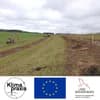
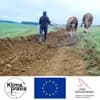
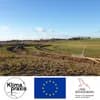
On the grounds of the Waldpferdehof Müncheberg, an exemplary landscape design using the keyline design method was implemented in December 2021 as part of the 'NetzwerkWasserAgri' project. The project by Klimapraxis aims to identify and communicate innovative approaches to increasing evaporative cooling and water retention capacity in agriculture. Water is becoming a scarce resource in Brandenburg. Due to the predominantly sandy soils and often cleared landscapes, prolonged drought combined with high temperatures quickly leads to extreme dryness.
Keyline Design is a design concept that aims to improve water retention and the microclimate along so-called keylines, in our case through planned tree plantings. While the positive effects of agroforestry are already publicly discussed, Keyline Design is still relatively unknown in the German-speaking region. It is assumed that Keyline Design in combination with agroforestry offers potential for long-term water management.
At the Waldpferdehof, walnut, chestnut, and hazelnut trees were planted in four rows, and swales and mounds were created for water retention. The Waldpferdehof also intends to incorporate chickens and a mobile chicken coop into the operation specifically for the Keyline planting. The project 'NetzwerkWasserAgri' is funded by the European Agricultural Fund for Rural Development and co-financed with funds from the state of Brandenburg.
Agroforestry system type:
Agrosilvopastoral system (woody plants/ arable crops and livestock)Size of agroforestry system area(s) (in ha):
1.5Percentage of area under trees/shrubs (in %):
10Establishment (date):
Oct 21, 2021Site specifics:
- drought / low water holding capacity
Farming sectors:
- Arable farming
Tree species:
- Sweet Chestnut (Castanea sativa)
- English / Persian Walnut (Juglans regia)
(Intended) use of trees:
- food production (e.g. production fruit/nut)
Shrub species:
- Hazelnut (Corylus avellana)
Livestock species in the agroforestry system:
- poultry
Main crop types in the agroforestry system:
- field grass
- vegetables
Motivation/rationale for establishing or maintaining agroforestry system:
- Contribution to climate protection / resilience