Agroforstsystem Biohof Ritzleben
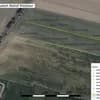
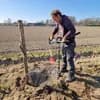
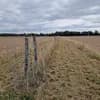
The agroforestry system consisting of apple trees was established in spring 2025 – a total of 74 trees were planted in two rows. The eight selected old apple varieties are wind-resistant, vigorous and form predominantly steep and easy-to-maintain crowns. The harvest season is in October, and there is little or no susceptibility to diseases and pests. All varieties are suitable for use as table fruit/storage fruit and for juicing. For better establishment and future stability, as well as greater resilience to extreme weather, zero-year grafts were planted, which are being trained as standard trees at the site.
The primary goal is to support biodiversity by creating habitats and enhancing the landscape.
The planting was carried out as part of the Impulsbüro Altmark (DeFAF e.V.) project, and the growth and development maintenance over 15 years is financed by compensation money for an intervention in the landscape. Subsequently, the maintenance of the apple trees is to be self-sustaining through the establishment of a new branch of business.
The agroforestry system can be expanded—pears, walnuts, and chestnuts are on the wish list for future rows of trees.
Agroforestry system type:
Silvoarable system (woody and arable crops incl. intercropped permanent crops)Size of agroforestry system area(s) (in ha):
5.5Percentage of area under trees/shrubs (in %):
6.4Establishment (date):
Mar 30, 2025Site specifics:
- drought / low water holding capacity
Farming sectors:
- Arable farming
Tree species:
- Apple (Malus domestica)
(Intended) use of trees:
- food production (e.g. production fruit/nut)
- environmental benefits (incl. carbon/ windbreaks/ animal welfare/ biodiversity)
- cultural benefits (incl. recreation/ landscape)
Main crop types in the agroforestry system:
- potatoes
- lupine
- common wheat
- Spelt
Motivation/rationale for establishing or maintaining agroforestry system:
- establish ecological balance
- Contribution to climate protection / resilience
- Landscape / aesthetics